

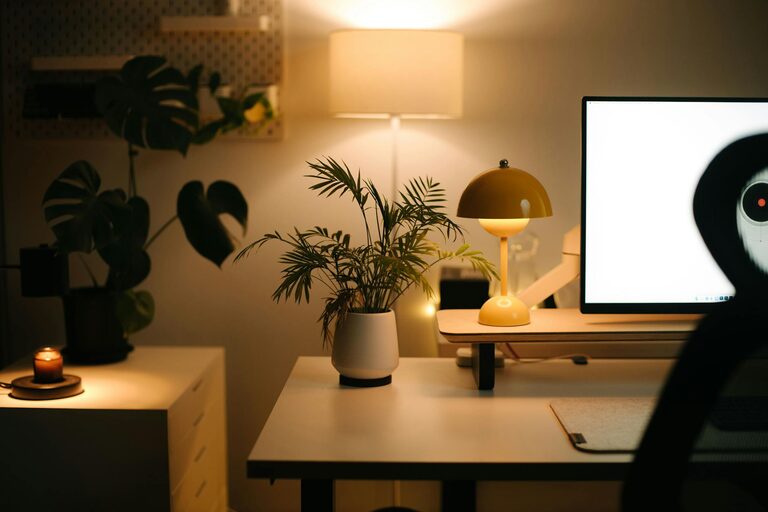
Creating a cozy and productive home office is essential for anyone who works remotely or spends a significant amount of time working from home. A well-designed workspace not only boosts your productivity but also makes your workday more enjoyable and less stressful. Whether you have a dedicated room or a small corner in your living area, these tips will help you set up a home office tailored to your needs.
Choose the Right Location
Selecting the right spot for your home office is the first step in creating a productive environment. Ideally, choose a quiet area with minimal distractions. Natural light is a big plus—it helps reduce eye strain and can improve your mood. If possible, position your desk near a window to take advantage of daylight.
If space is limited, a corner or a nook can work well as long as it supports your focus. Avoid high-traffic areas like the kitchen or living room where interruptions are common.
Invest in Comfortable and Functional Furniture
Desk and Chair
Your desk and chair are the foundation of your home office. Invest in an ergonomic chair that supports good posture and reduces back pain. Adjustable chairs with lumbar support are ideal for long hours of sitting.
Choose a desk that fits your workflow. It should be spacious enough for your computer, documents, and any other tools you use regularly. Standing desks or adjustable sit-stand desks are great options to vary your posture during the day.
Storage Solutions
Clutter can distract and cause stress. Incorporate storage such as shelves, filing cabinets, or baskets to keep your space organized. Use desk organizers for small items like pens, paperclips, and notepads.
Optimize Lighting
Good lighting is key for comfort and efficiency. In addition to natural light, use layered lighting to reduce eye strain. Task lighting like desk lamps with adjustable arms can focus light where you need it most.
Avoid harsh overhead lighting and minimize glare on your screen by positioning lights thoughtfully. Warm light bulbs often contribute to a cozy atmosphere compared to cool, bright white light.
Personalize Your Space
Adding personal touches makes your office feel inviting and encourages creativity. Include items such as artwork, plants, or decorative objects that bring you joy without creating distractions.
Plants are especially beneficial—they improve air quality and add a calming, natural element to your space.
Keep Technology Efficient and Uncluttered
Organize your technology setup to enhance productivity. Use a monitor stand to keep your screen at eye level and reduce neck strain. Invest in quality peripherals like a mouse and keyboard that you find comfortable.
Cable management is important to avoid tangles and messes. Use clips, sleeves, or boxes to conceal cords and keep your workspace tidy.
Establish Zones for Different Activities
If your home office space allows, create zones for specific tasks. For example, designate one area for computer work, another for reading or brainstorming, and a small spot for breaks or informal meetings.
This approach helps mentally separate the different types of work you do and can boost focus and creativity.
Maintain a Routine and Keep the Space Clean
A clean and organized workspace supports a productive mindset. Set aside a few minutes daily to tidy up your desk and manage paperwork.
Having a routine that includes preparing your workstation, taking regular breaks, and ending your workday by clearing your desk helps reinforce work-life balance, even at home.
Add Comfort Elements
To make your office truly cozy, consider adding comfort items such as a soft rug, cushions, a blanket, or a small heater or fan depending on your climate. Temperature control contributes significantly to comfort during long working hours.
Scented candles, essential oil diffusers, or a small speaker for background music can also create a pleasant atmosphere, but be mindful to keep these elements subtle to avoid distraction.
Tips for Staying Motivated and Focused
– Set clear goals for each workday and prioritize tasks.
– Use timers or techniques like the Pomodoro Technique to manage your time.
– Take short breaks to stretch, hydrate, and rest your eyes.
– Communicate boundaries to household members during work hours.
Conclusion
Designing a home office that is both cozy and productive involves thoughtful choices about location, furniture, lighting, and organization. Personalizing your space and maintaining good routines help you stay motivated and comfortable. Whether you’re working full-time or occasionally from home, a well-crafted workspace can make all the difference in your efficiency and well-being.
By applying these tips, you can create a home office that supports your professional needs while also reflecting your personal style and comfort preferences. Happy decorating!