

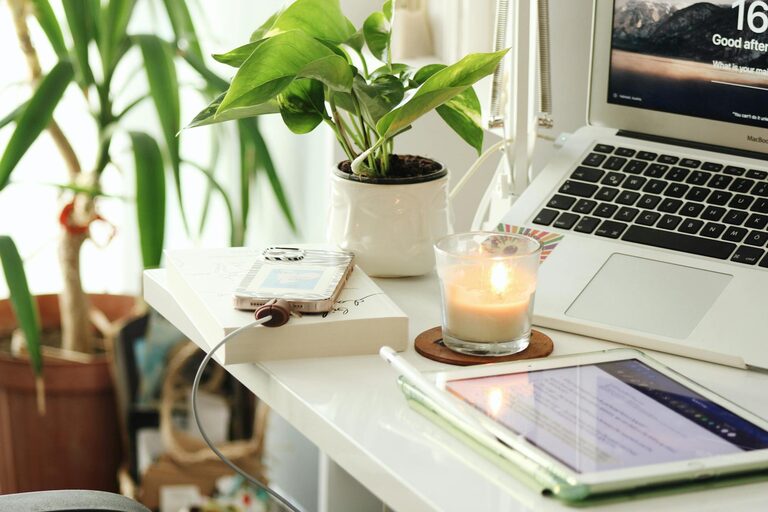
Creating a relaxing home workspace can make a big difference in how comfortable and productive you feel during your workday. Whether you’re working remotely full-time or just need a quiet place to focus, designing an environment that supports your well-being is key. In this post, we’ll explore practical tips to help you create a calming and efficient workspace tailored to your needs.
Why a Relaxing Workspace Matters
Your workspace impacts your mood, energy level, and ability to concentrate. A cluttered or uncomfortable area can cause stress and distractions, while a well-designed space encourages productivity and reduces fatigue. Taking the time to optimize your space promotes a better work-life balance and supports your overall health.
Choose the Right Location
Find a Quiet Spot
Select a part of your home that is quiet and away from high-traffic areas. This helps minimize interruptions and background noise, making it easier to focus.
Consider Natural Light
If possible, position your desk near a window. Natural light not only brightens the room but also boosts mood and alertness. If natural light is limited, invest in a quality desk lamp with soft, adjustable lighting.
Invest in Ergonomic Furniture
Comfortable Chair
A supportive ergonomic chair can reduce back and neck strain. Look for one with adjustable height, lumbar support, and comfortable padding.
Appropriate Desk Height
Your desk should allow your forearms to rest parallel to the ground when typing, keeping wrists straight and shoulders relaxed. Adjustable desks are excellent for switching between sitting and standing positions.
Organize and Declutter
Keep Essentials Within Reach
Use organizers, trays, or drawers to store frequently used items like pens, notebooks, and chargers. This reduces distractions caused by searching for things.
Minimize Clutter
A clean workspace is calming. Regularly clear away items you don’t need and find dedicated storage solutions for papers or supplies.
Add Calming Elements
Use Soothing Colors
Soft, neutral, or pastel colors promote relaxation. Consider painting your workspace wall a calming color or decorating with items in gentle hues.
Incorporate Plants
Adding greenery brings life and freshness to your desk. Plants can improve air quality and add a touch of nature, which helps reduce stress.
Personal Touches
Include photos, artwork, or objects that make you happy but avoid overcrowding. Personal items can create a welcoming atmosphere without distracting you.
Control Noise Levels
Use Noise-Canceling Headphones
If your environment is noisy or you need to concentrate deeply, noise-canceling headphones can help block out distractions.
Play Background Music
Soft instrumental or nature sounds can drown out background noise and enhance focus for some people. Find what works best for you and keep volume moderate.
Maintain Good Posture and Take Breaks
Set Up Ergonomic Posture
Sit with feet flat on the floor, back straight, and wrists aligned with your keyboard. Adjust your screen position so the top of the monitor is eye level.
Take Regular Breaks
Stand, stretch, or walk every hour to reduce stiffness. Short breaks improve circulation and prevent burnout.
Optimize Technology Setup
Use a Quality Monitor and Keyboard
An external monitor and comfortable keyboard can reduce eye strain and wrist discomfort compared to working on a laptop alone.
Manage Cables
Use cable organizers or clips to keep cords tidy. This prevents tangling and creates a neat, distraction-free space.
Set Boundaries and Routine
Define Work Hours
Establish clear start and end times for your workday. This helps maintain work-life balance and signals your brain to switch modes.
Create a Morning Ritual
Start your day with a calming routine like a cup of tea or a few minutes of stretching. This prepares your mind for focus and productivity.
Adjust and Personalize Over Time
Your needs might change as you use the workspace. Periodically assess what works well and what doesn’t. Don’t hesitate to rearrange furniture, swap decor, or try new tools to keep your space fresh and effective.
—
By applying these tips, you can transform your home workspace into a relaxing and productive environment. Remember, the goal is to create a balance between comfort and functionality so you feel motivated and refreshed while working. Start small, customize your setup, and enjoy the benefits of a workspace that truly supports you.